

Posted by Mahé
on September 02, 2026

Table of Contents
Finding the right shampoo for a sensitive scalp requires a methodical approach: persistent itching, tightness, redness… This guide helps you understand the signs of a weakened scalp, identify beneficial ingredients, and choose the formula best suited to your needs without compromise.
Understanding a Sensitive Scalp
A fragile scalp sends clear signals: discomfort, reactions to seasonal changes, or sensitivity to everyday products. Before choosing a shampoo for a sensitive scalp, recognize these symptoms so you can address them with a gentle routine and care for the hair fiber as a whole.
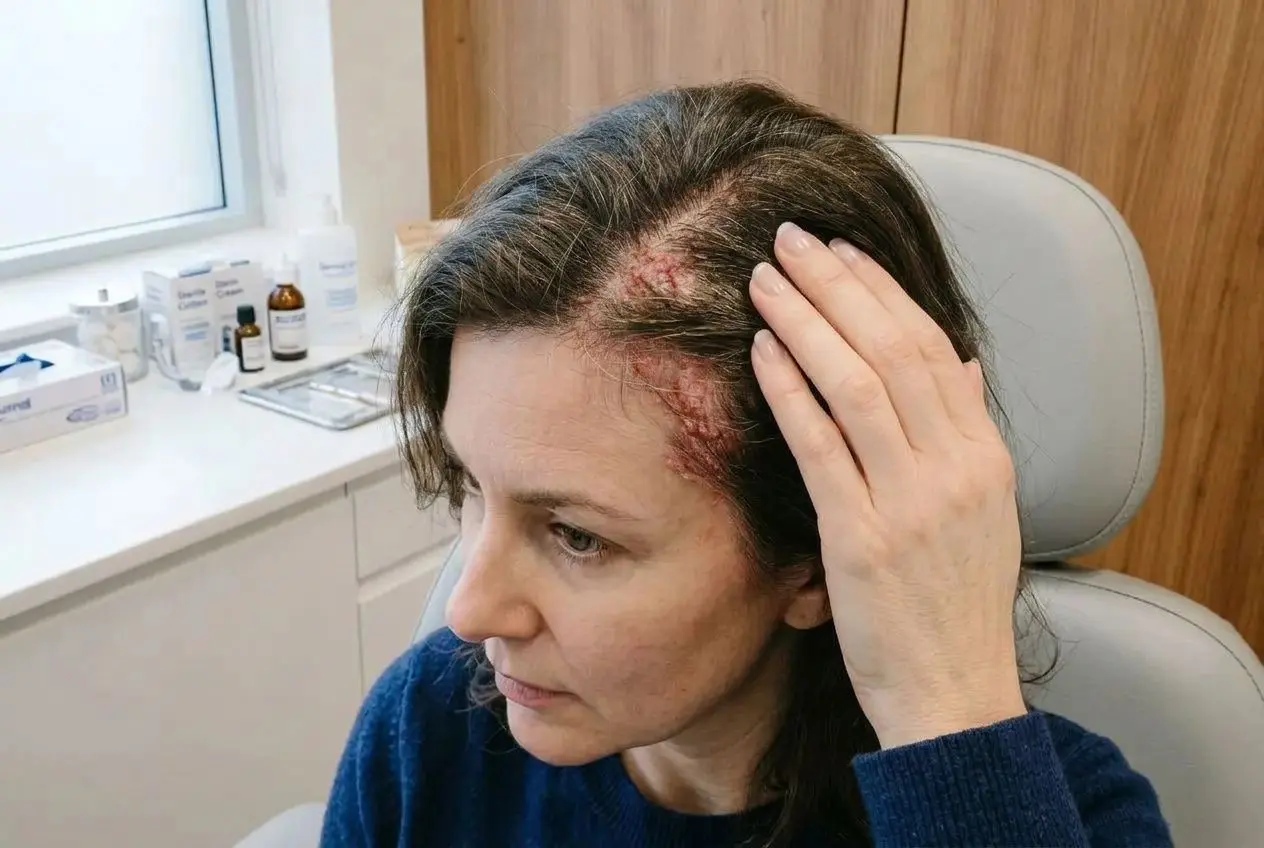
Recognizing the Signs of an Irritated Scalp
When your scalp is sensitive, several signs may appear simultaneously or separately. Using a shampoo for a sensitive scalp suited to these symptoms then becomes a priority to restore lasting comfort and preserve the skin's balance.
- Itching and pruritus: this persistent urge to scratch is often exacerbated by frequent washing or by products containing harsh surfactants. These can remove the protective lipids naturally present on the scalp.
- Stinging and burning: these sometimes intense sensations frequently appear after applying an unsuitable product or exposure to chlorine in the pool, which weakens the physiological flora.
- Redness and tightness: these visible signs of a local reaction may indicate an intolerance to an ingredient or contact dermatitis. The hair care routine must then be adapted without delay.
- Dry and flaky areas: peeling patches can be mistaken for dry dandruff. They sometimes reveal skin dryness maintained by washing too frequently or by unfavorable weather conditions.
These symptoms do not all have the same origin. A scalp reactive to cold or heat is not necessarily prone to dandruff, while an allergy to a dye or mask may remain occasional.
Choosing a Shampoo for a Sensitive Scalp
The composition is the first criterion to examine. A sulfate-free shampoo for a sensitive scalp limits the risk of irritation by avoiding harsh surfactants that may disrupt the protective hydrolipidic film. This is a relevant indicator for reactive or weakened skin.
The pH also plays a decisive role. A neutral formula or one close to 5.5 respects the skin's natural pH and helps maintain its balance. Gentle cleansing agents, such as decyl glucoside or coconut betaine, cleanse effectively without drying out the skin. This approach allows you to care for your hair as well as your health. For over 45 years, we have formulated plant-based care to offer a gentle alternative to overly harsh routines.
Distinguishing Sensitivity from Scalp Conditions
An irritated scalp is not always simply dry. Seborrheic dermatitis, linked to the proliferation of Malassezia yeast, can cause greasy scales, red patches, and itching. It requires a different approach from simple moisturizing care. Psoriasis, meanwhile, manifests as thick, scaly patches that require medical advice.
The Criteria for a Soothing Shampoo
A weakened scalp does not react the same way to all formulas. To be truly soothing, a shampoo must combine a controlled pH, gentle cleansing agents, and suitable botanical active ingredients.
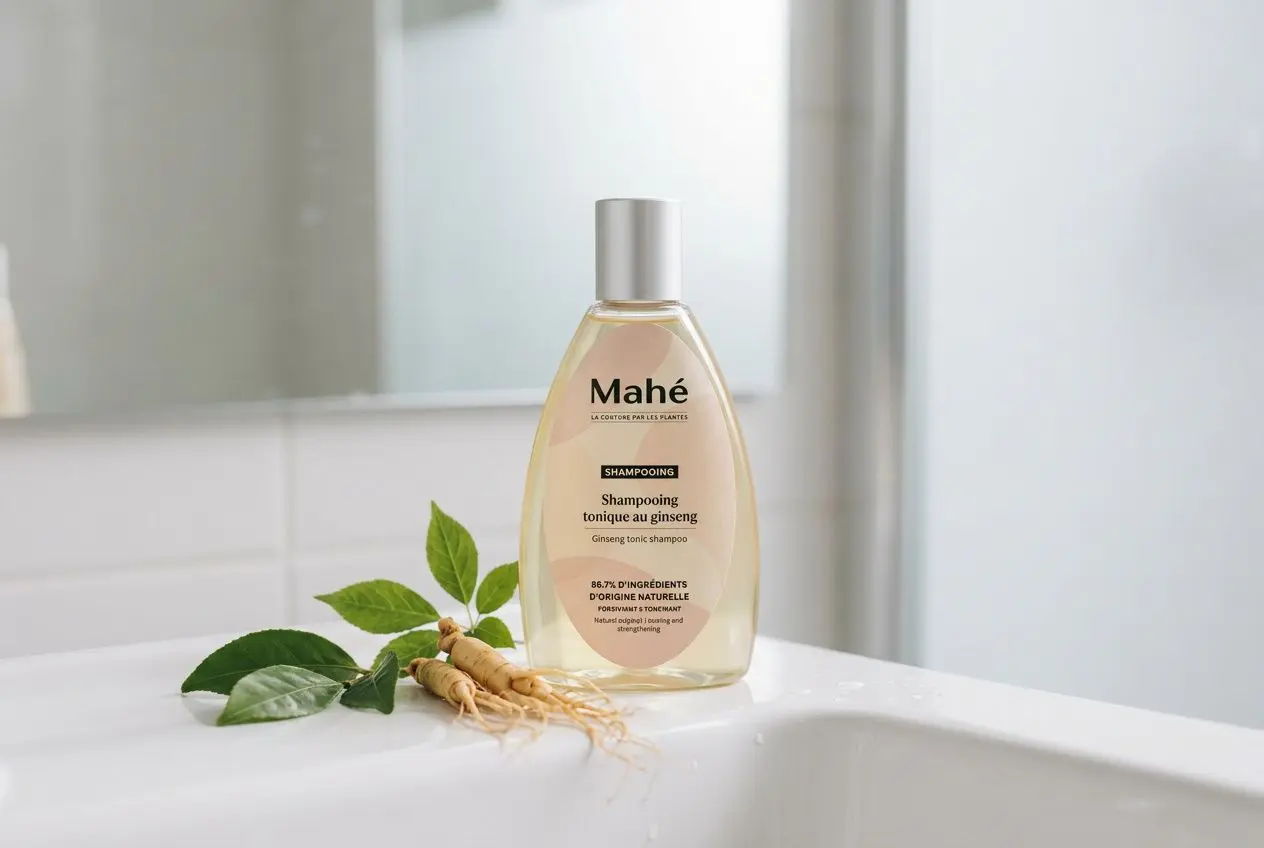
Prioritize a Gentle Shampoo for the Scalp
When an irritated scalp is prone to itching, start by limiting ingredients that may exacerbate discomfort. Sulfates, parabens, and artificial dyes may be poorly tolerated, depending on individual sensitivity.
- Sulfate-free: sulfate surfactants, such as SLS or SLES, cleanse effectively but can become irritating. Botanical cleansing agents provide a gentle alternative to preserve the scalp's hydrolipidic film.
- Paraben-free: for reactive scalps, choose better-tolerated preservative systems or, when possible, preservative-free formulas.
- Fragrance- and artificial dye-free: synthetic fragrances and added dyes can promote allergic reactions. A clean composition reduces this risk.
- Neutral or balanced pH: a value close to 5.5 aligns with the skin's natural pH and limits the aggression to the skin barrier with each wash.
A gentle, well-formulated shampoo for the scalp should cleanse without drying out the skin. Decyl glucoside and coconut betaine remove impurities while respecting the scalp's natural balance.
| Ingredient | Role | Prefer or avoid? |
| Decyl glucoside | Gentle botanical surfactant | ✔ Prefer |
| Coconut betaine | Gentle cleansing agent, conditioner | ✔ Prefer |
| Sulfates (SLS, SLES) | Powerful, foaming surfactants | ✘ Avoid if scalp is reactive |
| Parabens | Chemical preservatives | ✘ Avoid |
| Synthetic fragrances | Fragrance, no active role | ✘ Avoid if sensitivity is declared |
Soothing Active Ingredients to Look For
The aisles dedicated to shampoo for a sensitive scalp often offer standardized compositions. In pharmacies, organic stores, or on specialized websites, you will find care products formulated with more targeted botanical active ingredients.
- Aloe vera: it hydrates and soothes irritation. Its light texture spreads easily over the scalp without weighing down the hair.
- Panthenol: it helps calm itching and inflammation while strengthening the hair fiber's resistance.
- Niacinamide: it helps strengthen the skin barrier, reduce redness, and limit the appearance of scales or inflammatory scalp reactions.
- Organic chamomile hydrosol: its soothing properties reduce discomfort and integrate naturally into plant-based care.
Green tea, polydocanol, and peony extracts are also recognized for their soothing and protective properties.
Comparing Furterer and Mahé Formulas
René Furterer offers, among others, the Bain Vital Dermo-Calm, a hydra-soothing shampoo designed for delicate and reactive scalps, with soothing active ingredients. Kérastase and Klorane also offer products intended to reduce sensitivity and discomfort. However, their compositions and positioning differ from one brand to another.
The MAHÉ range, formulated with plants and available in four variants (brass-enhancing, natural blonde highlights, fiery copper highlights, and hazelnut brown highlights), is designed for natural or colored hair seeking shine and softness. The highlight shampoos with camellia oil illuminate natural or colored hair: the camellia oil highlight shampoos, available in a 200 ml format for €21.00, combine plant-based care with visible results.
Soothing Routine for a Fragile Scalp
Even the best soothing shampoo is not enough if daily habits remain unsuitable. Product application, water temperature, and washing frequency directly influence the scalp's ability to regain its balance and comfort.
Using Your Soothing Shampoo Properly
If you are looking for a shampoo for a sensitive scalp in a pharmacy, apply it to thoroughly wet hair. Massage gently with the pads of your fingers, never with your nails, then rinse with lukewarm water.
Hot water dries out the skin and can exacerbate discomfort after washing. A moderate temperature helps preserve protective lipids. This gentle, balancing shampoo formulated at a neutral pH contains a complex of three plants—nettle, organic rosemary, and common sage—to hydrate and soften the hair while soothing the scalp. Massage it in, leave it on for 5 minutes, then rinse to support its balance. Discover this natural balancing shampoo, formulated without compromising on the quality of botanical active ingredients.
Adapting Habits for a Sensitive Scalp
A suitable formula, if applied incorrectly, may lose some of its benefits on a weakened scalp. For over 45 years, our approach has been to respect the hair fiber and care for your hair as well as your health.
- Space out washes: washing your hair every day removes protective sebum and maintains dryness. Adapt the frequency to the actual needs of your scalp.
- Exfoliate once a month: gentle exfoliation before shampooing removes residue, excess sebum, and dead cells that may maintain itching or clog hair follicles.
- Limit heat from styling tools: hair dryers, flat irons, and curling irons can exacerbate skin dryness. Prefer air drying or a low temperature to keep the scalp soothed and less reactive.
- Avoid hairstyles that are too tight: ponytails and high buns exert constant tension that can increase discomfort. Looser hairstyles offer a gentle daily alternative and relieve the scalp.
Among the solid shampoos designed for delicate scalps, some are Cosmos Organic certified by Cosmécert, palm oil-free, sulfate- and SCI-free, and formulated without essential oils or allergens. To preserve their quality, store them in a cool, dry place away from light.
When to Choose a Medicated Shampoo
If itching persists despite a suitable routine and a doctor diagnoses seborrheic dermatitis, targeted treatment may be necessary. For a fungal scalp condition, a shampoo containing 1.5% ciclopirox olamine may be prescribed. Consult the antifungal treatment for sensitive scalps in the official medicines database.
The usual dosage is two to three applications per week for four weeks, with a total contact time of three to five minutes. This product is not indicated for children under 12 years of age. If in doubt, ask a healthcare professional for advice to choose a truly suitable treatment.
Frequently Asked Questions
What is the best shampoo for a sensitive scalp?
There is no universal answer: sensitivity depends on its origin. In general, the best shampoo for a sensitive scalp respects the skin's pH, avoids sulfates and parabens, and contains soothing botanical active ingredients, such as aloe vera, panthenol, or plant extracts.
For over 45 years, MAHÉ has developed a shampoo formulated with gentle cleansing agents, notably decyl glucoside and coconut betaine, without compromising on skin tolerance.
What shampoo is recommended for an itchy scalp?
In case of itching linked to dryness or a reaction, choose a gentle shampoo formulated without sulfates or fragrance, enriched with panthenol, niacinamide, or organic chamomile hydrosol. Leave the product on for five minutes, then rinse with lukewarm water to benefit from its soothing properties.
If itching is accompanied by greasy scales, persistent redness, or thick patches, consult a doctor. These signs may indicate seborrheic dermatitis or psoriasis and may sometimes require specific treatment.
How often should I wash my hair when my scalp is sensitive?
When the scalp is sensitive, space out washes to preserve the protective sebum film. Washing every two to three days is often sufficient, depending on your hair type and lifestyle. Washing too frequently removes natural lipids and can maintain dryness as well as irritation.
Conversely, an interval that is too long promotes the accumulation of sebum and residue, which can contribute to the appearance of scales and dandruff. Gradually adjust your routine. Combined with a plant-based care product, this gentle routine helps maintain the scalp's balance.
